
Payroll managers are the backbone of any organization. They ensure employees are paid accurately and on time. This role is crucial for maintaining employee satisfaction and trust.
Implementing payroll best practices can significantly enhance efficiency. It reduces errors and streamlines operations. This is where payroll processing software comes into play.
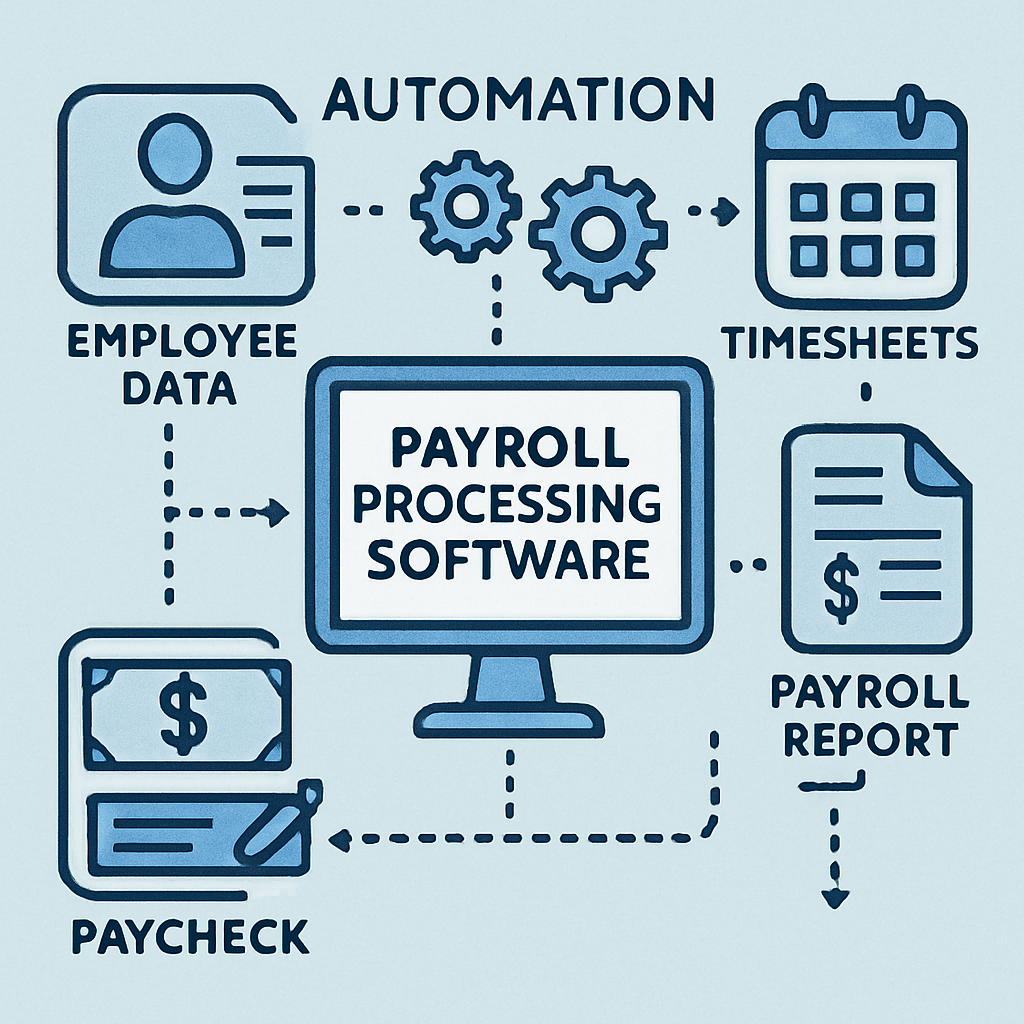
Such software automates repetitive tasks, improving accuracy and saving time. It allows payroll managers to focus on more strategic activities. This leads to better overall payroll management.
Staying compliant with tax laws is another critical aspect. Payroll managers must keep up with ever-changing regulations. This ensures the organization avoids costly penalties.
In this guide, we will explore best practices for payroll management success. From leveraging technology to ensuring compliance, we cover it all. Let’s dive into the world of effective payroll management.

The Evolving Role of Payroll Managers
The role of payroll managers is evolving rapidly. They are no longer just responsible for cutting paychecks. Today, they play a strategic role in financial planning and workforce management.
Payroll managers collaborate with various departments. They work closely with HR and finance teams to align payroll processes with organizational goals. This collaboration ensures a seamless flow of operations.
With the advent of technology, their responsibilities have expanded. Payroll managers must be adept at using payroll processing software. This includes understanding and implementing advanced features for efficiency.
Here are some key responsibilities of modern payroll managers:
- Ensuring compliance with payroll and tax laws.
- Managing payroll data security and integrity.
- Implementing and optimizing payroll systems.
- Leading payroll process improvements.
The increased focus on compliance and security has made the role more complex. Payroll managers must stay informed about regulatory changes and industry trends. This knowledge helps them make informed decisions.
Key Payroll Best Practices for Efficiency and Accuracy
Implementing payroll best practices is essential for maintaining efficiency and accuracy. A structured approach ensures smooth payroll operations and minimizes errors. This section outlines the most crucial practices to follow.
Regular audits of payroll processes help in identifying discrepancies. These audits ensure that the payroll system operates correctly. Proactively addressing issues reduces potential problems and enhances reliability.
Maintaining accurate employee records is crucial. It supports correct salary calculations and tax deductions. Payroll managers should regularly update records to reflect any changes, such as new hires or role changes.
Effective communication about payroll procedures helps avoid misunderstandings. Employees should be well-informed about schedules, deductions, and any changes. Clear communication fosters trust and prevents disputes.
Consider these best practices for efficiency:
- Automate repetitive tasks to save time.
- Conduct regular audits for process improvement.
- Maintain updated employee information for accuracy.
Leveraging technology is a significant part of payroll efficiency. Using sophisticated payroll processing software can streamline tasks. Such software automates calculations and reduces manual input errors.
Accuracy in payroll operations is non-negotiable. Payroll managers should double-check figures before processing. Employing systematic checks ensures that errors are caught early. This level of diligence maintains organizational trust.
Here are critical accuracy practices:
- Reconcile payroll records after each cycle.
- Double-check tax calculations and filings.
- Cross-verify employee data entry and updates.
By adopting these best practices, organizations can achieve greater payroll efficiency and accuracy. The results include enhanced employee satisfaction and reduced risk of compliance issues.
Leveraging Payroll Processing Software for Streamlined Operations
Payroll processing software has transformed how payroll managers handle their duties. These tools automate mundane tasks and dramatically improve efficiency. By reducing manual workload, managers can focus on strategic activities.
One of the biggest advantages of payroll software is automation. It automatically processes calculations such as taxes and deductions. This reduces the risk of human error significantly.
Beyond automation, payroll software provides insights. Detailed reports can reveal spending patterns and budget forecasts. This allows managers to make informed decisions.
Integration with other systems is another key feature. Payroll software often connects seamlessly with HR and accounting tools. This ensures data consistency across departments.
Consider these benefits of payroll processing software:
- Automated tax and deduction calculations
- Comprehensive reporting and analytics
- Seamless integration with existing systems
- Enhanced data security measures
Moreover, payroll software supports compliance. It updates with changes to tax laws and regulations automatically. This keeps payroll processes aligned with current legal standards.
Overall, implementing payroll software is a strategic move. It enhances operational efficiency and reduces errors. For payroll managers, these tools are indispensable in managing complex payroll systems efficiently.
Ensuring Payroll Compliance and Data Security
Compliance and data security are crucial aspects of effective payroll management. Payroll managers must stay updated with laws to avoid compliance issues. Failing to comply with regulations can lead to severe penalties.
Payroll managers should continuously monitor changes in tax laws. Adaptation to new regulations ensures consistent compliance. Regular updates to the payroll system are necessary to accommodate these changes.
Data security is another vital concern for payroll managers. Sensitive employee data must be protected at all times. This includes encrypting information and restricting access to authorized personnel only.
Effective compliance and security measures include:
- Regular system audits and data checks
- Implementing encryption and secure access protocols
- Continuous monitoring of regulatory changes
- Ensuring accurate and timely tax filings
In conclusion, payroll managers must prioritize compliance and data security. By maintaining strict security measures, the risk of data breaches decreases. Additionally, staying informed about regulatory requirements helps avoid legal complications. These measures are essential to protect both the organization and its employees.
Building a Reliable Payroll Schedule and Communication Plan
An organized payroll schedule is a cornerstone of effective payroll management. Payroll managers should develop a schedule that aligns with company policies and employee expectations. A reliable schedule ensures everyone knows when to expect payments.
Clear communication plays a key role in payroll success. Employees need to be informed about payroll changes and timelines. Open channels help build trust and prevent misunderstandings.
To enhance scheduling and communication efforts, consider the following:
- Set a consistent payroll processing date
- Use multiple communication methods, like emails or an internal portal
- Regularly update employees on any payroll system changes
Establishing a dependable schedule with a strong communication plan provides clarity and minimizes errors. By streamlining these processes, payroll managers improve overall efficiency and employee satisfaction.
Training, Development, and Collaboration for Payroll Teams
Payroll teams benefit tremendously from ongoing training and professional development. Regular training sessions keep payroll staff updated on the latest regulations and software updates. This promotes accuracy and proficiency in handling payroll tasks.
Collaboration among payroll, HR, and finance departments is vital. These departments should work in unison to ensure smooth payroll operations. Collaboration enhances data accuracy and ensures compliance with relevant laws.
Consider these strategies to boost training and collaboration:
- Schedule regular training workshops
- Encourage interdepartmental meetings and knowledge sharing
- Implement a mentorship program for new payroll staff
Investing in the development and collaboration of payroll teams strengthens overall payroll processes. Improved knowledge and teamwork lead to fewer mistakes and a more efficient payroll system.
Auditing, Reporting, and Continuous Improvement
Regular audits are crucial for identifying discrepancies in payroll processes. They help ensure financial integrity and enhance accuracy. Addressing mistakes promptly prevents potential compliance issues.
Producing detailed payroll reports is another best practice. Reports provide valuable insights into payroll operations, helping managers track and analyze expenses. Consistent reporting supports informed decision-making.
Continuous improvement should be a primary focus for payroll managers. Evaluating existing processes and seeking out new technologies can enhance efficiency. Embracing change fosters a culture of innovation within the payroll department.
To excel in auditing and improvement, payroll managers should:
- Schedule regular audits and reviews
- Generate comprehensive payroll reports
- Seek feedback for process optimization
By implementing these strategies, payroll managers can foster a culture of excellence. This commitment to improvement ensures processes remain effective and compliant with changing regulations.
Choosing and Implementing the Right Payroll System
Selecting the right payroll system is crucial for efficient operations. It should align with your organization’s needs and future growth. A well-chosen system enhances process efficiency and accuracy.
When assessing payroll systems, consider features, scalability, and user interface. A system with automated calculations and compliance updates is beneficial. Easy integration with existing tools can streamline workflows.
Successful implementation is key to realizing a payroll system’s full potential. Engage stakeholders to gather input and address concerns. Adequate training ensures staff can navigate the new system effectively.
Key factors to consider when choosing a payroll system include:
- Compatibility with current processes
- User-friendly interface
- Comprehensive support and updates
Selecting and implementing the right payroll system can transform payroll management. It ensures a seamless transition and maximizes operational efficiency.
Managing Payroll for a Diverse Workforce
Handling payroll for a diverse workforce requires flexibility and understanding. Each employee group can have unique payroll needs and regulations. Adapting processes ensures no one is overlooked.
Payroll managers must cater to full-time, part-time, and contract workers differently. Each type of employee may have distinct tax implications and benefits. Customizing payroll setups for each group is essential.
Considerations for managing a diverse workforce include:
- Adjusting for remote worker payroll needs
- Compliance with various labor laws
- Managing payroll for freelancers and gig workers
By recognizing these differences, payroll managers can ensure accuracy. This consideration helps foster positive relationships with all employees.
Conclusion: The Path to Payroll Management Success
Payroll management success relies on strategic planning and execution. By implementing best practices, payroll managers can reduce errors and boost efficiency. These improvements foster trust and satisfaction among employees.
Staying informed and adaptable in the evolving payroll landscape is crucial. Leveraging technology, such as payroll processing software, can streamline operations. Effective communication and continuous learning will support a strong payroll framework. Through these efforts, payroll managers ensure smooth operations and contribute significantly to their organization’s overall success.


Leave a Reply
You must be logged in to post a comment.